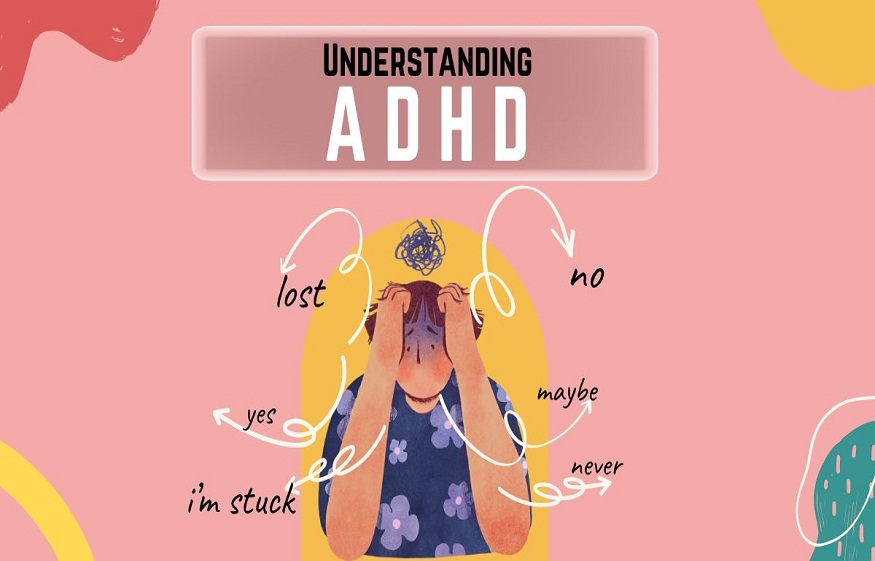
Few words cause as much quiet damage to people with undiagnosed attention deficit hyperactivity disorder (ADHD) as “lazy”. It’s a label many have heard their whole lives, from teachers, employers, family, and, most corrosively, from themselves. You’re not lazy, they’re told, you just need to apply yourself, try harder, stop making excuses. And so they try harder, and harder, and still fall short, and slowly conclude that the problem must be them.
For a great many adults, that story is wrong from the start. The struggles they’ve blamed on laziness or weakness are, in fact, features of an unrecognised neurodevelopmental condition. This article unpacks why undiagnosed ADHD so often gets mislabelled as laziness, the harm that label causes, and how reframing your story, with the help of a structured Attention Deficit Test, can change everything.
Why ADHD looks like laziness from the outside
To an outside observer, ADHD can superficially resemble laziness. Tasks go unfinished. Deadlines are missed. . The obvious, lazy-sounding explanation writes itself.
Read More : Not Just for Looks: The Preventive Power of a Good Skincare Regimen
What that explanation misses is everything happening beneath the surface. The person with ADHD often wants desperately to do the task. They may think about it constantly, feel crushing guilt about not doing it, and try repeatedly to start, only to find they genuinely cannot make themselves begin.It’s a difficulty with the brain’s executive functions, the systems responsible for initiating tasks, sustaining attention, and regulating motivation.
The cruel irony is that people with undiagnosed ADHD frequently work far harder than those around them, just to achieve ordinary results. The effort is invisible; only the shortfall is seen.
The machinery behind the “laziness”
It helps to understand what’s actually going on. ADHD affects the brain’s ability to regulate attention and motivation, processes closely tied to dopamine signalling. For the ADHD brain, the drive to begin and sustain a task depends heavily on whether that task feels interesting, urgent, or rewarding. Tasks that are dull or have distant deadlines simply don’t generate enough internal drive, no matter how important the person knows them to be.
This is why someone with ADHD can be paralysed by a tedious form for weeks, then complete a fascinating project in a single sitting. It isn’t a question of willpower or character. It’s a question of how their brain allocates motivation, and it operates largely outside conscious control. Understanding this distinction, between “won’t” and “can’t quite”, is the heart of reframing the laziness myth.
The lasting harm of the “lazy” label
Being repeatedly labelled lazy does real, lasting damage, especially when the label is absorbed and turned inward.
Over years, it erodes self-esteem. The person comes to see themselves as fundamentally flawed, less capable, less disciplined, less worthy than others who manage things they find impossible. This belief can follow them into every area of life, undermining confidence at work, in relationships, and in their sense of who they are.
It also breeds chronic shame and anxiety. Living with the constant fear of being “found out” as lazy or incompetent is exhausting, and that pressure frequently contributes to the anxiety and depression that so often accompany undiagnosed ADHD. The label doesn’t just describe a struggle; it actively deepens it.
Perhaps most damagingly, the “lazy” story prevents people from seeking help. If you believe your difficulties are a moral failing rather than a recognised condition, why would you look for a diagnosis? You’d just resolve, once again, to try harder, and blame yourself when that doesn’t work.
Reframing the story
The turning point, for many adults, comes when they discover that their struggles have a name, and that the name isn’t “lazy”. Recognising ADHD reframes a lifetime of experiences in a single stroke. The unfinished projects, the missed deadlines, the inexplicable inability to start, all of it shifts from evidence of personal failure to symptoms of a condition that affects millions of people.
This reframing is more than a relabelling exercise. It’s often profoundly emotional. People describe a mixture of relief, that they were never lazy or broken after all, and grief for the years spent believing otherwise. Both responses are valid, and both are part of letting go of a story that was never true.
Crucially, reframing also opens the door to effective action. Once you understand that the issue is how your brain regulates attention and motivation, you can stop relying on the one strategy that never worked, trying harder, and start using approaches designed for how ADHD actually functions.
From self-blame to practical change
Reframing the story isn’t about excusing difficulties or giving up on improvement. It’s about replacing an ineffective, shame-based approach with one that actually helps.
When people stop fighting an imaginary character flaw and start working with their real neurology, things change. Strategies that externalise structure, break tasks down, and create the stimulation and accountability the ADHD brain needs can succeed where sheer willpower failed for decades.
This is where ADHD coaching often proves transformative. Rather than telling someone to try harder, a coach helps them build practical systems that fit how their brain works, turning insight into daily habits for starting tasks, managing time, and following through. For someone who has spent years believing they were simply lazy, discovering that the right tools make these things genuinely achievable can be life-changing.
What this looks like in real life
To see how powerful the reframe can be, picture two versions of the same morning. In the first, someone sits in front of an important but dull task, can’t begin, scrolls their phone instead, and spends the next two hours awash in guilt, telling themselves they’re useless and lazy. The shame makes starting even harder, and the day spirals.
In the second version, the same person understands their ADHD. They recognise that their brain isn’t generating enough drive for an unstimulating task, so instead of berating themselves, they reach for a tool: they break the task into a tiny first step, set a short timer, or message an accountability partner. The task still isn’t fun, but it becomes possible, and crucially, they don’t lose the day to self-blame. Same person, same brain, completely different outcome, and the only thing that changed was the story they told themselves and the strategy that story made available.
You were never the problem
If you’ve spent your life being called lazy, or calling yourself lazy, while privately knowing how hard you were actually trying, it’s worth considering whether that label was ever accurate. For many adults, the truth is that they were grappling, unsupported and unrecognised, with a real condition, and doing so with far more effort than anyone gave them credit for.
Read More : Infertility Treatment New Jersey: Specialized Care Vs. General OBGYN
A structured Attention Deficit Test can help you begin to see your experiences in this new light, identifying whether your difficulties fit an ADHD pattern and whether to seek a professional opinion. The screening is a reflective starting point rather than a diagnosis, but it can be the beginning of a very different story, one in which you finally stop blaming yourself for something that was never a failure of character, and start getting the understanding and support you deserved all along.